
Brick-and-Mortar Transaction
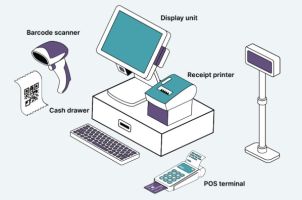
A Point of Sale (POS) in a brick-and-mortar store is the system where a customer completes a purchase and the business processes the payment. It includes both the physical hardwaresuch as cash registers, card readers, barcode scanners, and receipt printersand the software that manages transactions, inventory, customer data, and reporting. In merchant services, the POS acts as the central hub that connects payment processing technology with the stores daily operations.
How a POS Works in a Physical Store
When a customer is ready to buy, the POS system calculates the total cost, applies taxes or discounts, and processes the payment using the merchant service provider. The POS communicates with the payment processor to authorize the transaction, ensuring the customers card or digital wallet has sufficient funds. Once approved, the POS completes the sale, updates inventory, and records the transaction for reporting and accounting.
POS Hardware Components
A brick-and-mortar POS typically includes several physical devices:
- Terminal or Register: The main device where transactions are entered and processed.
- Card Reader: Accepts credit cards, debit cards, and contactless payments.
- Barcode Scanner: Speeds up checkout by scanning product codes.
- Receipt Printer: Prints physical receipts for customers.
- Cash Drawer: Stores cash securely for cash-based transactions.

POS Software Functions
The software behind a POS system does more than process payments. It often includes:
- Inventory tracking and automatic stock updates
- Sales reporting and analytics
- Employee management tools
- Customer loyalty and rewards programs
- Integration with accounting or e-commerce platforms
These features help businesses operate efficiently and maintain accurate records.
The Role of Merchant Services in POS Systems
Merchant services connect the POS system to the financial networks that process payments. They ensure secure authorization, encryption, and settlement of transactions. Without merchant services, a POS system could not accept card payments, mobile wallets, or digital transactions. Together, the POS and merchant services create a seamless checkout experience for both the business and the customer.
Benefits of a POS in a Brick-and-Mortar Store
A modern POS system improves speed, accuracy, and customer satisfaction. It reduces human error, shortens checkout times, and provides real-time insights into sales and inventory. For business owners, a POS system integrated with merchant services offers secure payment processing, detailed reporting, and the ability to accept multiple payment types.
Conclusion
In a brick-and-mortar store, a POS system is the backbone of the checkout process. It combines hardware, software, and merchant services to process payments, manage operations, and support business growth. A reliable POS system ensures smooth transactions and enhances the overall customer experience.
Powered by: Joxall Marketing Group - www.jxlmkt.com